Step 1 of 6 in AI for Leaders.
AI GovernancefoundationalVideo + quiz
What an Agent Actually Is, and What It Cannot Do
A plain guide for managers and buyers: what an AI agent is, what it can touch, how it fails, how to test a supplier claim, and how to decide how much authority to give.
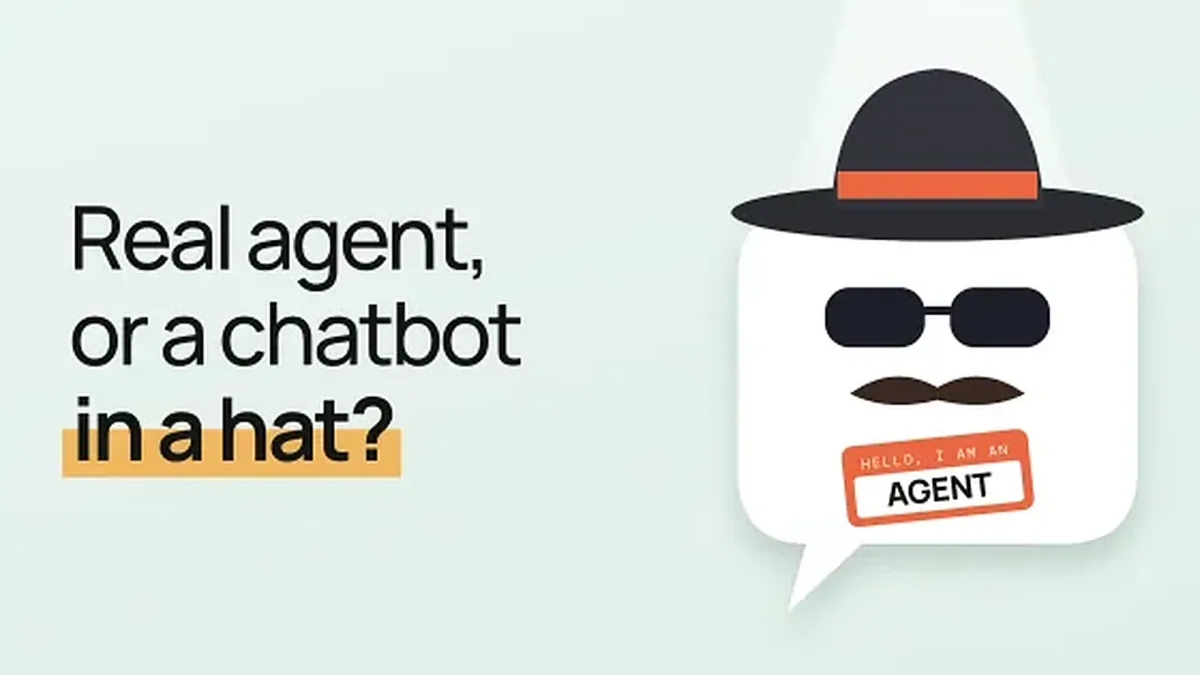 Watch the first lesson freeWelcome: who this course is for and where it goes · 3 min
Sign in to watch one lesson from this course free.
What you will be able to do
Say in one sentence what makes a system an agentName what an agent can touch and what it cannot do reliablyJudge a vendor claim and set an agent its limits
Skills you will gain
- Agent vs. Chatbot Evaluation
- Agentic Failure Mode Recognition
- Vendor Claim Scrutiny
- Agent Washing Detection
- Live Capability Testing
- Runaway Cost Risk Assessment
- Prompt Injection Awareness
- Governance Gate Design
- Due Diligence Questioning
- Benchmark Interpretation
- Irreversibility Analysis
- Escalation Judgment
About this course
A plain guide for managers and buyers: what an AI agent is, what it can touch, how it fails, how to test a supplier claim, and how to decide how much authority to give.
AI Governance
Curriculum
Requirements
What you want an AI agent to do for your team
One real proposal or vendor pitch to hold in mind
A document to keep your notes in
A free Claude account for the lab
About 55 minutes for the lab and its extension
Common questions
What is the difference between an AI agent and a chatbot?
An AI agent pursues a goal through multiple self-directed steps — planning what to do, calling tools such as databases or APIs, and tracking what has already happened across the session. A chatbot receives a single prompt and produces a single reply: one turn, done. This course teaches you the three structural markers of genuine agentic behaviour (planning, tool use, and state-tracking) so you can tell the difference when a vendor makes a claim.
Who is this course designed for?
This course is designed for non-technical business leaders — including board members, founders, product managers, and senior executives — who need to evaluate agent deployments, interrogate vendor claims, and decide when a task is appropriate to hand to an autonomous AI system. No coding or machine learning background is required. The focus is governance and critical evaluation, not technical implementation.
What do I need to know before taking this course?
No prior AI or technical knowledge is needed. Familiarity with everyday business software is helpful but not required. The course starts from first principles and builds the vocabulary you need to evaluate agentic AI from a leadership and governance perspective.
How long does this course take to complete?
The course totals 35 minutes of narrated content across 4 modules and 8 lessons. Individual lessons range from 3.5 to 5 minutes, so the material can be completed in a single sitting or spread across short sessions.
What will I be able to do after finishing this course?
After completing this course you will be able to distinguish a genuine agent from a rebranded chatbot using a concrete checklist, recognise the four dominant production failure modes of agents, critically evaluate vendor ROI and benchmark claims using real disputed cases as reference points, determine whether a proposed deployment meets minimum governance conditions, and draft three targeted due-diligence questions to ask a vendor or internal team before approving a deployment.
What you walk away with
A Yallo AI academy certificate of completion, issued when every lesson is complete and the final assessment is passed at 70% or aboveA public verification page, so a stranger can check the certificate without asking you for a filePDF download, and a one-click share to your LinkedIn profile
Yallo AI academy certifies completion of
What an Agent Actually Is, and What It Cannot Do